fbpx

How We Care Salmon

How We Care for Our Fish  

The cool waters of Tasmania is the home of our Atlantic salmon. We care about the health, welfare, and quality of our fish. We have a dedicated welfare team for our salmon that follow a comprehensive welfare management plan.

Our veterinarians monitor our fish and perform a routine gill check to monitor the health and wellbeing of our salmon.

Our salmon are fed specialised diets to obtain all the nutrients they require to thrive. This includes a mix of fish oil, fishmeal and agricultural ingredients including wheat, soya derivates, corn gluten, vegetables and land animal by products. Vitamins and minerals are added to feed. Our feed does not contain any growth hormones.

We provide different diets to the fish based on their needs, to ensure they always have enough energy for our salmon to thrive whilst also supplying all the essential nutrients for healthy growth.

We don’t dye the salmon. Salmon get their flesh colour from their diet, whether wild or farmed. Wild salmon consume other marine life in their diet which contain a healthy antioxidant called astaxanthin. For our responsibly farmed salmon, we add this ingredient to our fish feed to mimic the diet of wild salmon and provide the healthy antioxidant they need.
How We Care for our Consumers

Tassal Salmon is not only delicious, but it is also good for you. Atlantic Salmon is known for being one of the best natural sources of omega-3 fatty acids. Marine Omega 3s, specifically EPA and DHA, offer extensive health benefits, including supporting cardiovascular health. Compared to traditional land based protein sources, salmon has a high Omega-3 content.

As proud famers we are committed to the health and welfare of our fish and our local marine and coastal environment. Antibiotics is strictly regulated and rarely used if there if there is a serious bacterial infection in farmed fish. We follow strict guidelines to make sure a sufficient amount of time has passed to ensure residue is well below the legal limit.

How We Care for safe and quality Salmon

Our robust quality management system which is supported by our skilled people and risk based approach ensuring food safety and quality of our salmon throughout the production process. All Tassal products are made under a food safety management plan based on HACCP (Hazard Analysis and Critical Control Point) principles, which identify, asses and control hazards at every stage to deliver consistently safe and high quality salmon for everyone to enjoy!

Learn more about our Fish Welfare here.

How Tassal Uses Antibiotics

At Tassal, we only use antibiotics when fish need them to stay healthy – and always under the guidance of a qualified veterinarian.

In November 2025, Australia’s national regulator approved the use of Florfenicol in Tasmanian salmon farming. This is a trusted antibiotic that has been safely used around the world for more than 30 years in aquaculture and livestock. It’s proven effective against bacteria that can harm salmon and used as per the permit conditions, it is safe for people and the environment.

When treatments are needed, antibiotics are added to specially prepared feed, followed by a strict waiting period to ensure salmon are safe before harvest.

We share real-time updates on our Sustainability Dashboard – including treatment dates, locations, and reasons for use – after completing our legal reporting requirements.

How We Care for The Environment 

We take pride in ensuring our operations place value on healthy oceans and waterways in our commitment to growing healthy and nutritious salmon responsibly.

The health of the seabed underneath our pens is important to us. We have extensive monitoring programs in place to assess the impact of salmon farming on the seabed. As part of our compliance programs, we undertake inspections of the seabed conditions, and we provide our regulators with video footage for assessment.   Our marine debris programs focuses on preventing floating equipment from turning into rubbish. We conduct daily checks for large floating equipment and use GPS trackers.

Our clean-up efforts extend beyond collecting aquaculture debris, also collecting household and other marine waste in our communities. Monthly shoreline clean-ups are conducted by our Tasmanian marine operations staff and details of waste collected is recorded. We are committed to doing better together.

We regularly monitor water quality around our farms, sharing data with regulators to ensure a healthy marine environment. There are over 40 laws currently in place to regulate Tassie’s salmon industry with reporting requirements significantly stricter than any other industry in this state. The D’Entrecasteaux Channel and Huon River Broadscale Environmental Monitoring Program (BEMP) has been ongoing since 2009. Having fifteen years of continuous, reliable and robust data allows for thorough analysis that is sensitive to picking up indicators of any environmental effects from aquaculture

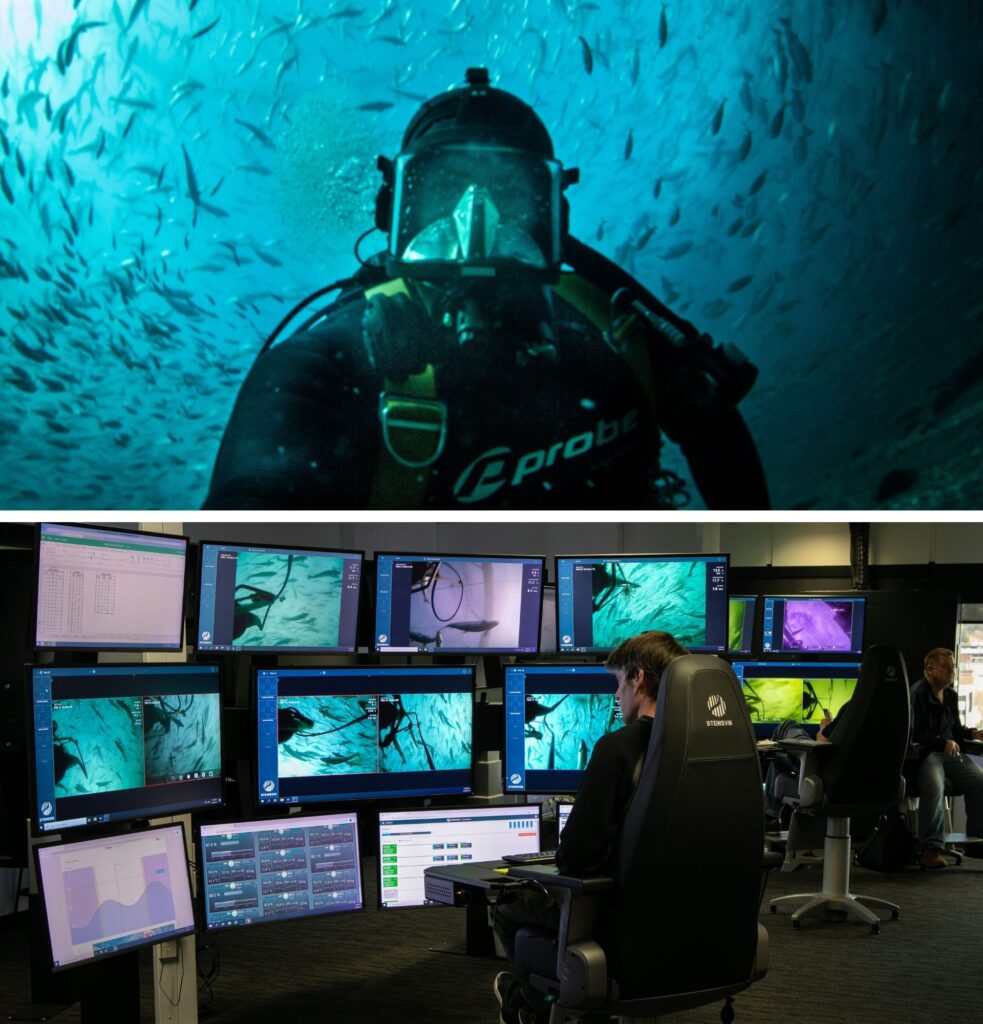
We have a dedicated feed centre in Hobart (pictured below) with advanced capabilities to optimise the feeding of the fish, including the amount of feed, which is an important part of caring for the seabed. The feed centre staff are trained to monitor fish behaviour and water quality.

How We Care for The Wildlife 

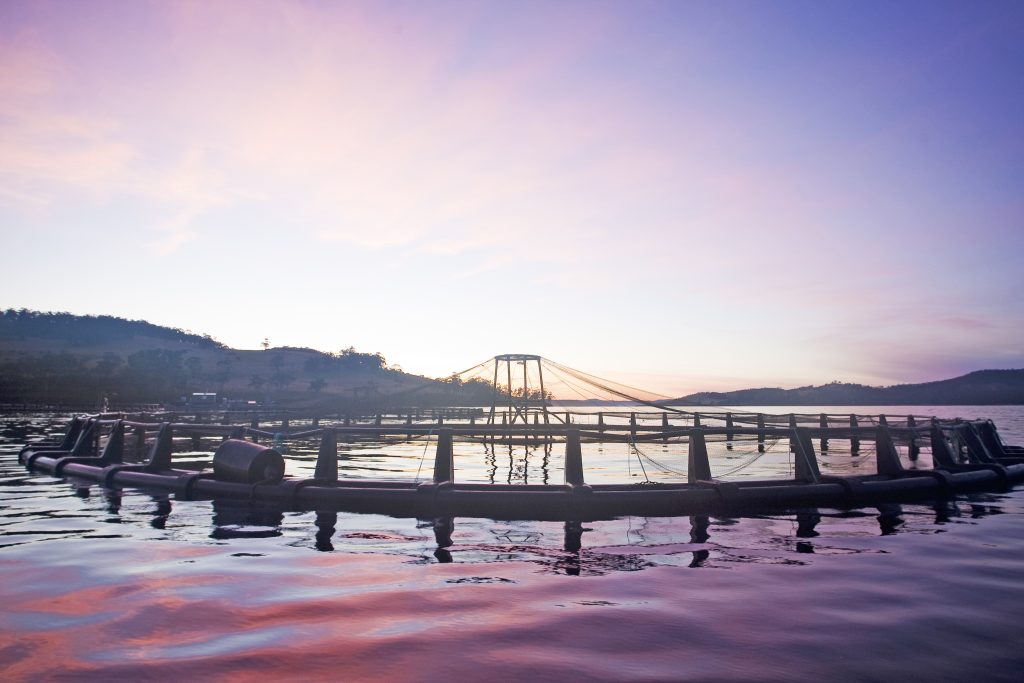
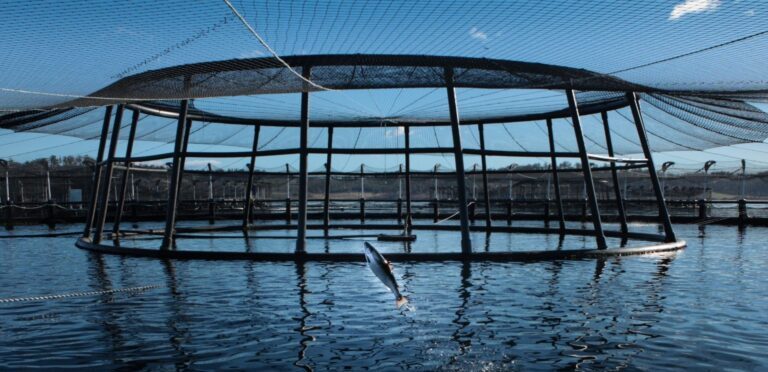
We have a strong and ongoing commitment to the wildlife in the environments in which we operate. We work to keep wildlife out of our pens so they can continue their natural feeding habitats and therefore have invested into installing and maintaining state of the art exclusion infrastructure.
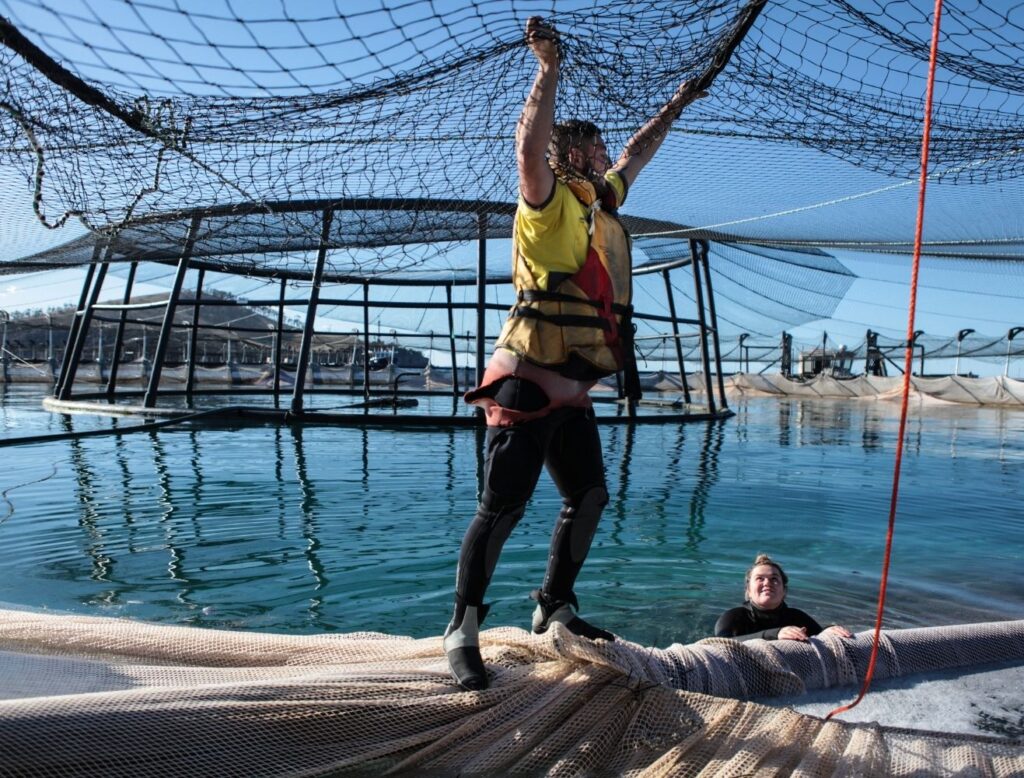
As the environments in which we operate are home to a diverse range of wildlife including seals, penguins, and birds. One of the ways we protect wildlife, is the pens that house our salmon. The pens are sanctuary salmon pens and purposely designed to keep the wildlife safe, our fish safe and our people safe.

We are committed to the welfare of our fish and marine mammals and birds that intereact with our farms and will never compromise the safety of our people. Since 2020, we have reduced deterrent usage by more than 95% and only use when absolutely necessary.

We know people are concerned about the future of the Maugean Skate in Macquarie Harbour. So are we. That’s why we’ve been leading calls for action from Governments for several years. The salmon industry has spent more than $500,000 on skate research in recent years and has just announced a $6 million project to improve the dissolved oxygen levels in the Harbour.

SUSTAINABILITY DASHBOARD  

We publicly report on our wildlife interactions and other metrics through our online Sustainability Dashboard 

The dashboard provides accurate, up to date information on material aspects of our operations. 

View Dashboard here: http://dashboard.tassalgroup.com.au/